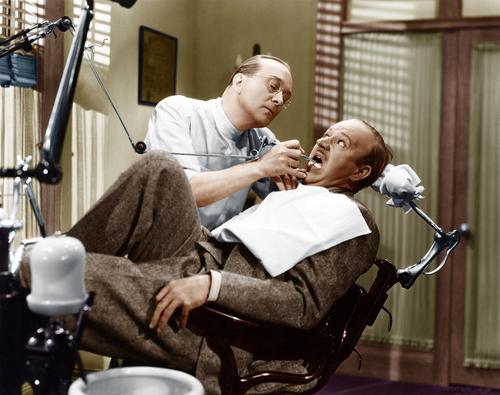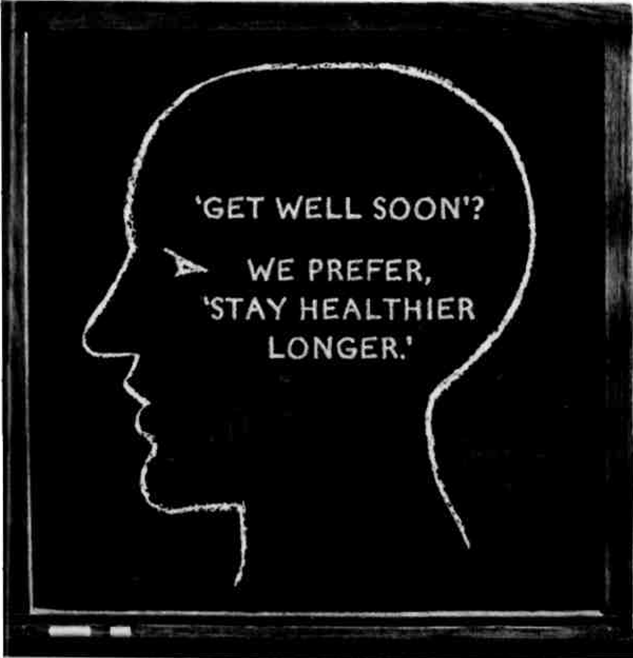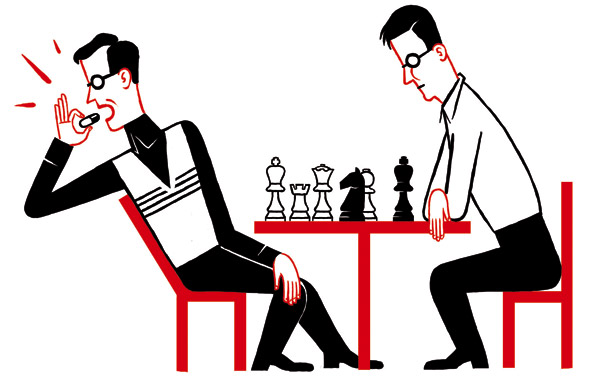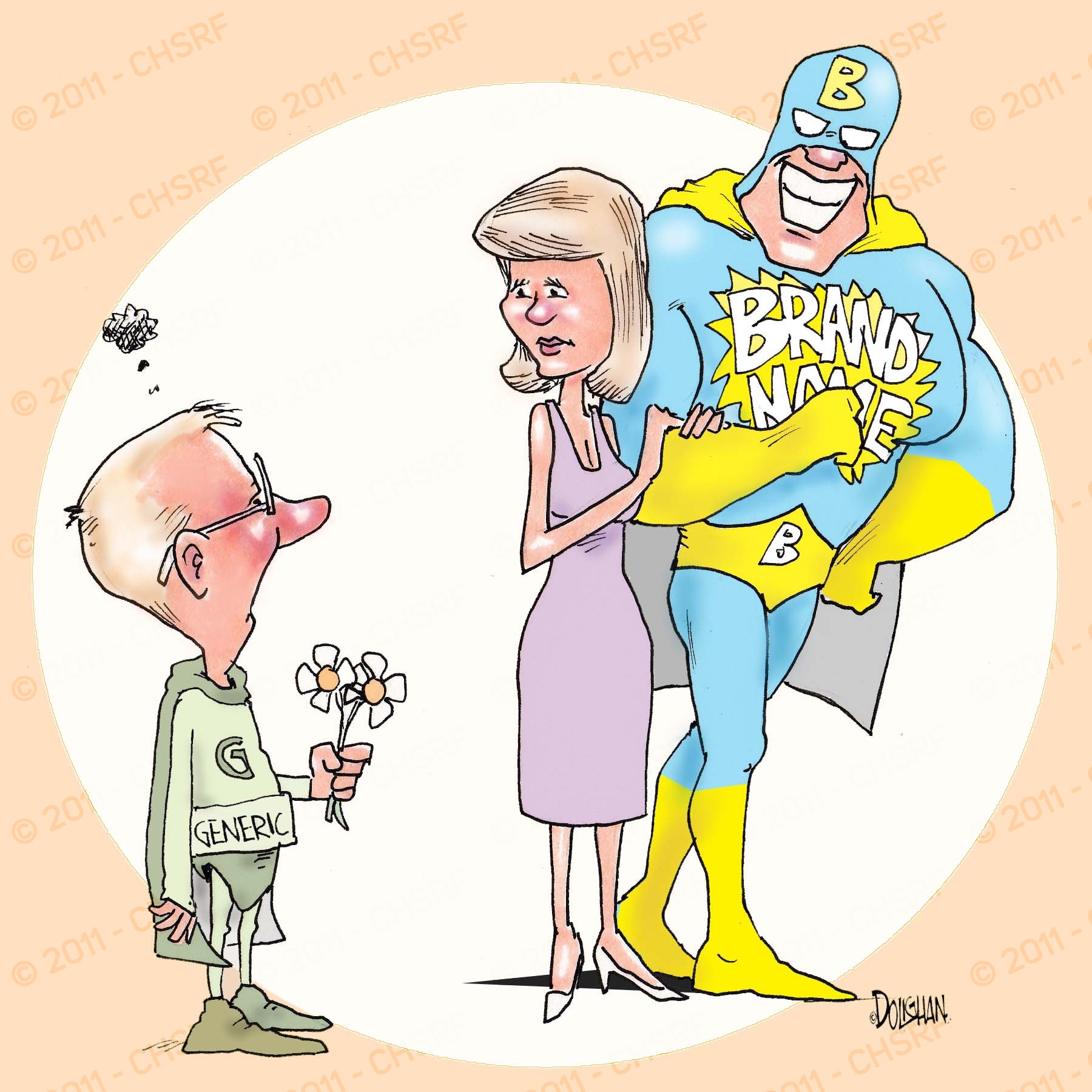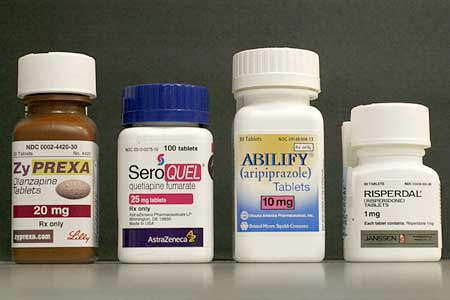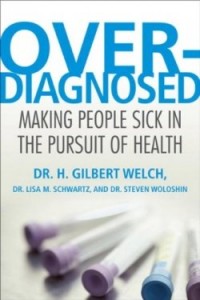
Corporate medicine may achieve its goal creating greater customer retention, loyalty, and repeat business. Patients are not well-served, however, when the commercialized, privatized business model is applied to health care. The result is superficially satisfied patients who make greater use of the health care system at the expense of their own health.
Continue Reading »
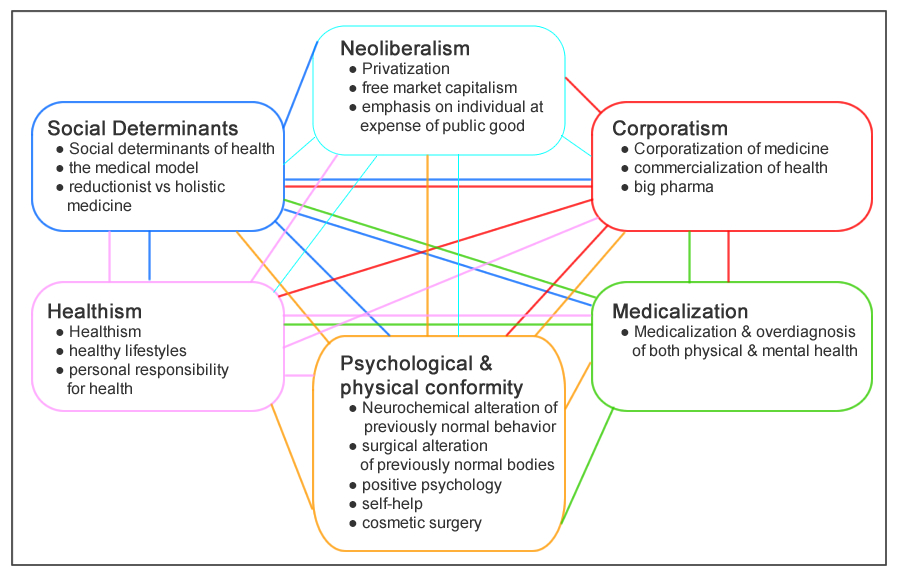
I was initially attracted to the subject of healthism because I felt I’d been a victim of health messaging. But I was also attracted by a sense that something deeper was going on. I now see that the taken-for-granted – the questions that don’t get asked in media coverage of health issues or in the policy positions of governments — unites my blogging topics. In whose interest is neoliberalism? Medicalization? Conformity? Non-holistic medicine? The commercialization of health? Healthism? More often than not the answer is that it’s not in my interest. Nor is it in the interests of the society I want to live in. And that makes these topics personally meaningful to me.
Continue Reading »
Categories:
Health & Medicine,
Politics & Issues -
Tags: corporations, cosmetic surgery, disease mongering, doctor/patient relationship, health care, healthism, healthy lifestyles, inequality, lifestyle, medicalization, neoliberalism, overdiagnosis, pharmaceuticals, politics, psychology & psychiatry, risk, social determinants of health1 Comment -
Leave a comment! -
~ Conformity and corporatism: Surgically altering one’s appearance (e.g., designer feet) presumably increases one’s chance of success in a society that commodifies bodies (i.e., in a society where salary, career advancement, social status and marriage prospects are influenced by appearance). Altering one’s personality with psychopharmaceuticals allows one to project the qualities necessary for success in a highly competitive society.
Continue Reading »
Categories:
Health & Medicine,
Politics & Issues -
Tags: corporations, cosmetic surgery, disease mongering, doctor/patient relationship, health care, healthism, healthy lifestyles, inequality, lifestyle, medicalization, neoliberalism, overdiagnosis, pharmaceuticals, politics, psychology & psychiatry, risk, social determinants of health2 Comments -
Leave a comment! -
Social determinants of health (often abbreviated SDOH) refers to unequally distributed social and economic conditions that correlate with unequal and inequitable distributions of health and disease. Presumably there is a causal relationship between the two, not merely a correlation. Definitively identifying the causal mechanisms, however, is difficult. A great many things influence our health, including things we’re not even aware of yet, and it’s difficult to isolate and scientifically study the ones we can identify.
Continue Reading »
Categories:
Health & Medicine,
Politics & Issues -
Tags: corporations, cosmetic surgery, disease mongering, doctor/patient relationship, health care, healthism, healthy lifestyles, inequality, lifestyle, medicalization, neoliberalism, overdiagnosis, pharmaceuticals, politics, psychology & psychiatry, risk, social determinants of health0 Comments -
Leave a comment! -
It’s always hard to be sure about these things, but I think the reason I decided to take a ‘sabbatical’ from blogging last July was that I was interested in too many seemingly unrelated topics. Writing about all of them left me feeling like I never got to the ‘meat’ of any one of them. And I couldn’t convince myself to focus on just one or two things, since that would mean abandoning the others, which I was unwilling to do.
Continue Reading »
Categories:
Health & Medicine,
Politics & Issues -
Tags: corporations, cosmetic surgery, disease mongering, doctor/patient relationship, health care, healthism, healthy lifestyles, inequality, lifestyle, medicalization, neoliberalism, overdiagnosis, pharmaceuticals, politics, psychology & psychiatry, risk, social determinants of health2 Comments -
Leave a comment! -
A modern version of the Hippocratic Oath, the Physician Charter, commits physicians to work toward “the wise and cost-effective management of limited clinical resources.” But there’s little physicians – or anyone else – can do to change the behavior of politicians, insurance companies, pharmaceutical companies, or other entrenched stakeholders. It would indeed be heartening to see a visionary, public-minded physician emerge as a leader of the medical profession in the fight to solve this important and extremely difficult dilemma.
Continue Reading »
There’s more to the value of health care than clinical effectiveness for patients and cost-effectiveness for individuals and governments. As we imagine the future of heatlh care, a welcome addition would be to plan for wider benefits to society. At this point in time in the US, it’s hard to imagine overcoming the political difficulties involved in reaching an agreement on what would benefit society. But it’s worth anticipating the possibility of a better future – the future we would want for ourselves and our children.
Continue Reading »
To be fair, many of these experts may be true believers, people who want to do everything they can not to miss anyone who could possibly benefit from diagnosis. But the fact that there is so much money on the table may lead them to overestimate the benefits and ignore the harms of overdiagnosis. These decisions affect too many people to let them be tainted by the businesses that stand to gain from them.
Continue Reading »
In a perfect world, doctors would not prescribe – and patients would not take – drugs that do more harm than good. But it’s complicated. The benefits and harms of drugs are determined in randomized, controlled clinical trials. For many reasons, the outcomes of such trials may not provide doctors with the information they need to decide who should take what.
Continue Reading »
In 1911 the medical profession complained of the “commercialization” of medicine, contending that this led to abuses in pharmacology and the practice of medicine. The Romans failed to check these abuses, which increased as Rome declined. “[I]f we are to avoid such unfortunate deterioration in our own time, we must not shrink from recognizing and resisting the evils which do so easily beset commercialized ages like those of the first and twentieth centuries A. D.”
Continue Reading »
We have to really listen and think about why a child is telling us something. The behaviour of children and young people is fundamental to a well-functioning society, because they can tell us what is going on more honestly than we tell ourselves.
Continue Reading »
The University of California, San Francisco (UCSF) has a team of robots that fills prescriptions for its medical center. Orders are submitted electronically. The drugs are retrieved from a secure, sterile environment. The dosage is as exact as a computer is logical. Medications are packaged for each patient – even assembled into 12-hour packets for the day. It eliminates possible errors by both pharmacists and nurses.
Continue Reading »
By
Jan -
February 25, 2011
Kristina describes Victoria as “Possibly the most annoyingly loud, optimistic, cheerful person you will ever encounter. With an incredibly high-pitched, overly exaggerated Southern accent and a specialty in church music, she is the poster child for America.” Fortunately, I missed the episode of American Idol on which Victoria appeared and was eliminated.
Continue Reading »
By
Jan -
February 24, 2011
Most people experience times when as much as it’s blindingly obvious a problem is not theirs alone, it’s up to them alone to fix it – and a pill is often the quickest or only means.
That’s exactly what Margaret Thatcher and Ronald Reagan wanted us to believe. “There’s no such thing as society.” Unfortunately, many medical distorders do have social, not biological causes. Like poverty.
Continue Reading »
By
Jan -
February 13, 2011
First, studies piled up showing that taking antioxidants—even such common and seemingly innocuous ones as beta carotene and vitamins C and E—as supplements was not beneficial to health and might even be dangerous, though the reason for the danger wasn’t clear. (One always pays attention when a study concludes with a phrase like “seems to increase overall mortality.”) Now the research is challenging an even more fundamental tenet of the antioxidant craze. Many of the free radicals that are neutralized by antioxidants perform valuable functions in the body. The most important: fighting toxins (white blood cells churn out free radicals by the battalion to fight bacterial infection) and fighting cancer.
Continue Reading »
By
Jan -
February 9, 2011
Pharmaceuticals … are now being consumed at high rates as off-label “cognitive enhancers” to boost mood, memory, and alertness. … What will happen to the fabric of society and the character of our interactions with one another? Are these altered states a genuine reflection of a new and improved “me” or “we”, or some transient drug-induced condition that thoroughly confounds what we inherently value? Will we be coerced into conforming to a wave of drug intervention in the ever expanding, do-it-yourself, self-help world?
Continue Reading »