Tag Archive: risk

On healthism, the social determinants of health, conformity, & embracing the abnormal: (4) The abnormal part

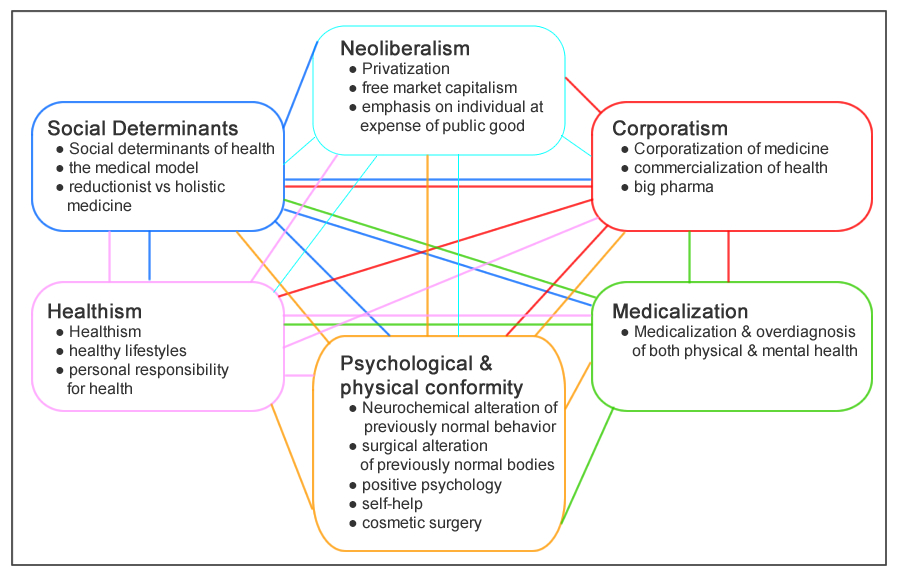
Abnormal psychologyI was initially attracted to the subject of healthism because I felt I’d been a victim of health messaging. But I was also attracted by a sense that something deeper was going on. I now see that the taken-for-granted – the questions that don’t get asked in media coverage of health issues or in the policy positions of governments — unites my blogging topics. In whose interest is neoliberalism? Medicalization? Conformity? Non-holistic medicine? The commercialization of health? Healthism? More often than not the answer is that it’s not in my interest. Nor is it in the interests of the society I want to live in. And that makes these topics personally meaningful to me.

Share

On healthism, the social determinants of health, conformity, & embracing the abnormal: (3) Connections

Blog topics and their connections~ Conformity and corporatism: Surgically altering one’s appearance (e.g., designer feet) presumably increases one’s chance of success in a society that commodifies bodies (i.e., in a society where salary, career advancement, social status and marriage prospects are influenced by appearance). Altering one’s personality with psychopharmaceuticals allows one to project the qualities necessary for success in a highly competitive society.

Share

On healthism, the social determinants of health, conformity, & embracing the abnormal: (2) Economics & the socio-political

Blog topics and their connectionsSocial determinants of health (often abbreviated SDOH) refers to unequally distributed social and economic conditions that correlate with unequal and inequitable distributions of health and disease. Presumably there is a causal relationship between the two, not merely a correlation. Definitively identifying the causal mechanisms, however, is difficult. A great many things influence our health, including things we’re not even aware of yet, and it’s difficult to isolate and scientifically study the ones we can identify.

Share

On healthism, the social determinants of health, conformity, & embracing the abnormal: (1) Bodies, minds & medicine

Blog topics and their connectionsIt’s always hard to be sure about these things, but I think the reason I decided to take a ‘sabbatical’ from blogging last July was that I was interested in too many seemingly unrelated topics. Writing about all of them left me feeling like I never got to the ‘meat’ of any one of them. And I couldn’t convince myself to focus on just one or two things, since that would mean abandoning the others, which I was unwilling to do.

Share

Overdiagnosed and overprotected children

Helicopter parentsWe have to really listen and think about why a child is telling us something. The behaviour of children and young people is fundamental to a well-functioning society, because they can tell us what is going on more honestly than we tell ourselves.

Share

The tipping point for motor car casualties

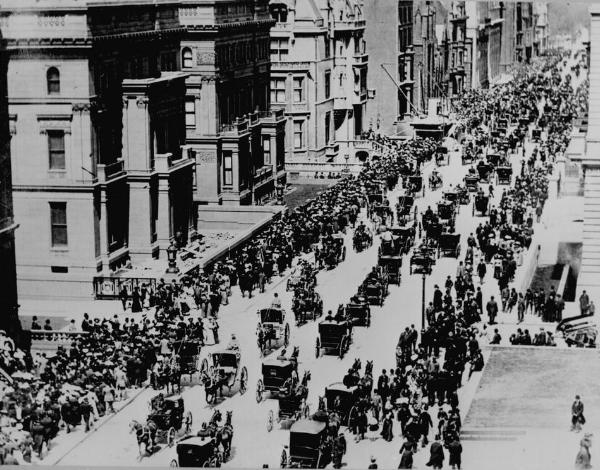
Horse carriage traffic Easter paradeFrom 1911 JAMA: An alarming increase in the number of street accidents from the recent development of motor traffic is shown by the report issued by the Highways Protection League. In 1905, thirty-five persons were killed and 1,557 injured by accidents due to motor traffic, while 118 were killed and 6,323 injured by horse traffic. In 1909, 163 persons were killed and 6,579 were injured by motor traffic, while 123 were killed and 5,589 were injured by horse traffic.

Share

The downside of overly aggressive cancer screening

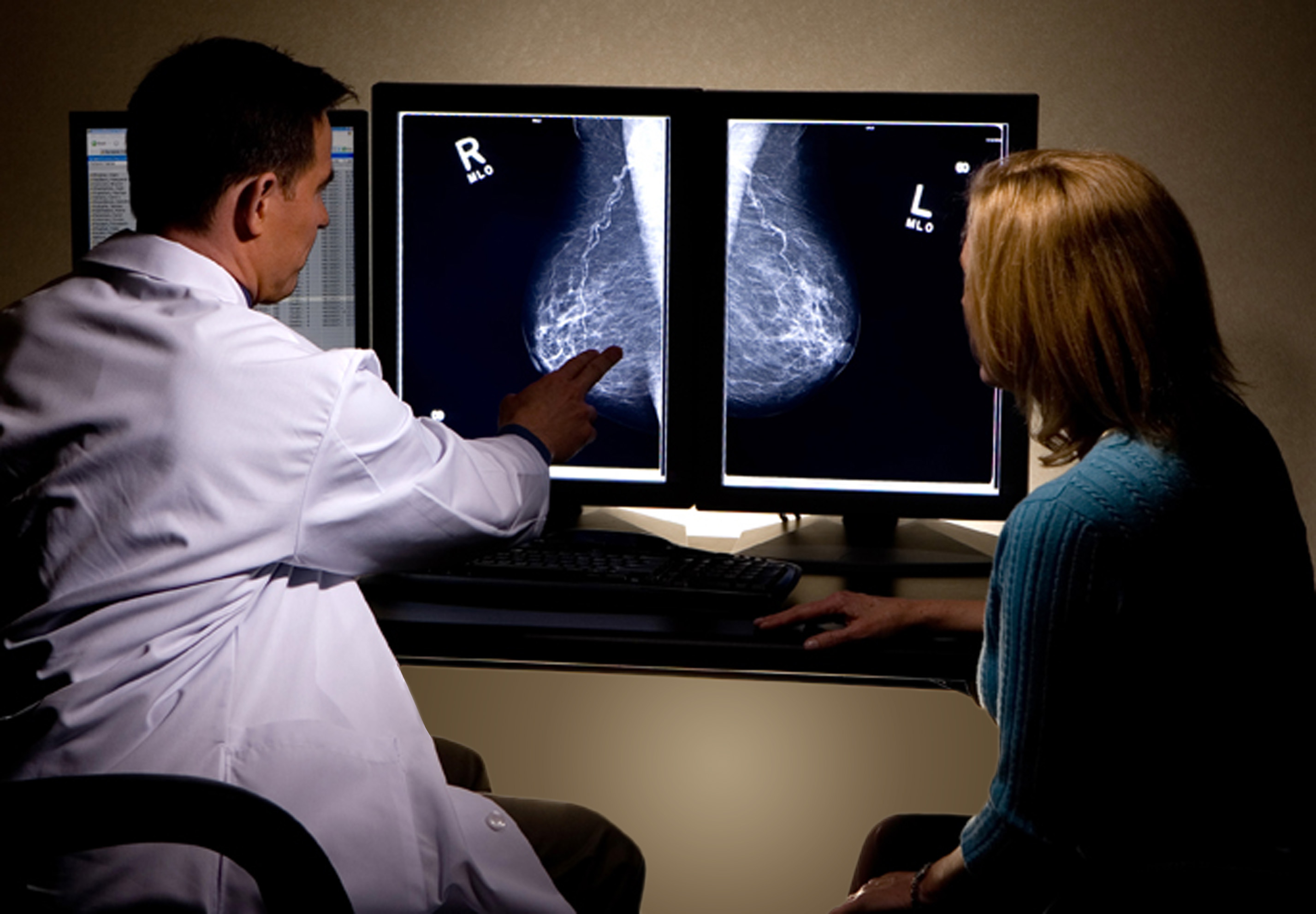
False positive mammogramCommon sense tells us that early detection of breast cancer is good, and most screening programs have been successful in reducing breast cancer deaths. … However, while some women truly benefit from early detection, others experience harm and unnecessary anxiety. The women who received false-positives in our study experienced a significant reduction in their quality of life, especially if they were prone to anxiety, and the effects of this lasted at least a year.

Share

Creating an epidemic of cancer among the healthy

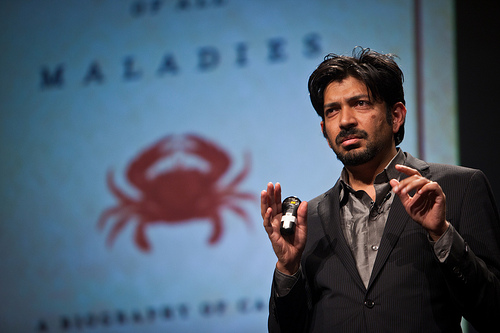
Siddhartha Mukherjee Tthe emperor of all maladiesA world in which cancer is normalized as a manageable chronic condition would be a wonderful thing, but a risk-factor world in which we all think of ourselves as precancerous would not. It might decrease the incidence of some forms of malignancy while hugely increasing the numbers of healthy people under medical treatment. It would be a strange victory in which the price to be paid for checking the spread of cancer through the body is its uncontrolled spread through the culture.

Share

Screening for cancer and overdiagnosis

Screening for cancer: OverdiagnosisEarlier this month scientists announced a test that can detect a single cancer cell in a blood sample. Although some news reports were realistic – BusinessWeek commented that “researchers still aren’t sure what these circulating tumor cells (CTCs) actually mean” – most greeted the news as a revolution in the fight against cancer, promising early, non-invasive detection.

Share

The future of advertising unhealthy products

Advertising in Tokyo (Shinjuku)There’ll be many products we’ll be allowed to buy but not see advertised – the things the government will decide we shouldn’t be consuming because of their impact on healthcare costs or the environment but that they can’t muster the political will to ban outright.

Share

Updates: Commercialization of infidelity, medical rivalry, conservatives on climate change, football concussions

Ashley Madison websiteAs a practicing pediatrician, I, too, feel the nobility and privilege of my profession, and count myself lucky every day that I am able to do what I do. But to denigrate lawyers and journalists as somehow less valuable to society is beneath us as a profession.

Share

Prescription drug abuse and the Osbournes

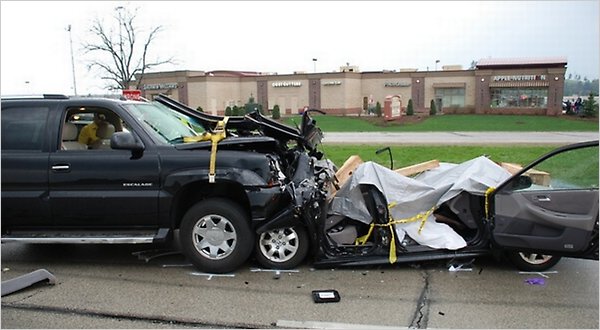
Legal drug abuse car crashI remember a scene from The Osbournes where son Jack, recently released from drug rehab, talks about finding a few stray particles of OxyContin dust in his pocket. He immediately consumed them as if his life depended on it. The craving was overwhelming. His description made the feeling of addiction palpable.

Share

Should I stop taking calcium?

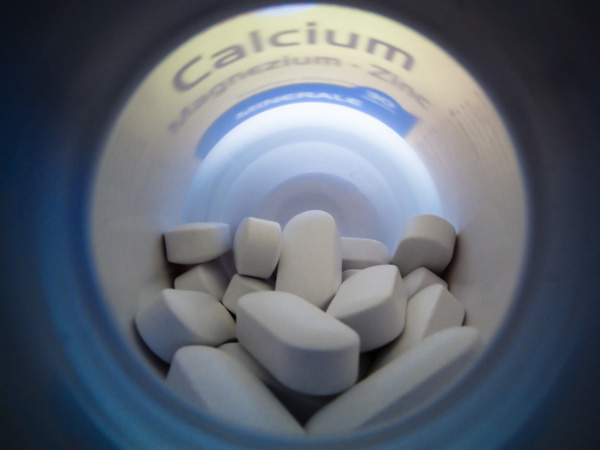
Calcium supplement pillsWe live in a very anxiety-producing culture. It’s not the inevitability of death that makes us so anxious. That’s a historical constant. It’s not simply the specifics of turmoil and suffering in the world. Nor is it the underlying insecurity we feel as side-effects of the transition to a global economy. All of those contribute to anxiety, yes. But what exacerbates our condition, in my opinion, is constant exposure to information that ultimately stands to benefit financially from maintaining a state of anxiety. That’s not a good situation.

Share

The oil spill: Why did it happen?

There’s a nice piece in The Atlantic on risk-taking behavior – something that applies to many aspects of life, not just how we treat the environment. (Emphasis added) How do such management disasters occur? The easy answer is, there’s a financial incentive for going forward, and a financial disincentive for holding back. Program managers are…

Share

Scientists confront political attacks on climate change

There’s a wonderful letter (PDF) in Science signed by 255 members of the National Academy of Sciences. It’s titled “Climate Change and the Integrity of Science,” and it’s not simply about climate change. It argues that politically motivated attacks on climate change threaten the very integrity of science. As the lead signer points out, since…

Share

Are you distracting a driver?

Are you ever just a little bit nervous when someone calls you while they’re driving? Maybe you should be. Distracted driving takes two. These public service ads are from Bangalore, India. Without the text (“Don’t talk while he drives”), they simply seem shocking. But they certainly accomplish their intent of getting your attention and making…

Share