The pharmaceutical industry is in the business of making profits. It’s not in the business of improving the health of individuals or populations, nor does it care about the cost of health care, even as those costs spiral out of control in the US. This is hardly news, I know. The behavior of pharma, along… Read more


For U.S. health care, some are more equal than others
The Affordable Care Act (ACA, aka Obamacare) will expand insurance coverage to millions of Americans (for example, to individuals with pre-existing conditions). Having insurance, however, does not mean a primary care physician will be willing to take you on as a new patient. There are multiple reasons for this, as discussed in a recent article… Read more
When healthy eating becomes unhealthy
Meghan O’Rourke, poet and author (Halflife: Poems, Once: Poems, The Long Goodbye: A Year of Grieving), has written a wonderful piece for The New Yorker on living with a chronic illness. It’s called What’s Wrong with Me? I had an autoimmune disease. Then the disease had me. For years O’Rourke experienced symptoms that she tried… Read more
Neoliberalism, tobacco, and public health (2)
The occasion for the rambling reflections on neoliberalism in the previous post was three “perspective” articles on tobacco in a recent issue of The New England Journal of Medicine. Two of them concern the FDA’s attempt to place graphic warnings on cigarette packs. The other is on cigarette smoking among the homeless. The First Amendment… Read more
Neoliberalism, tobacco, and public health (1)
This post became much too long, so I’ve divided it into two parts. The first part is mainly about neoliberalism; the second mainly about graphic warnings on cigarette packs (plus smoking among the homeless). When I read, in a recent NEJM article, “The Supreme Court’s increasing sympathy for corporate speech and decreasing deference to public… Read more
The general health checkup: Its origins, its future
What is a general health checkup? It’s when you visit a doctor not because of an ongoing chronic condition or because you’re concerned about new, unexplained physical or mental symptoms, but because you want a general evaluation of your health. The assumption behind such a visit is that if you do this regularly, you may… Read more
Two children visit their doctors: Social class in the USA
Rick Santorum, responding to Obama’s statement that “the middle class in America has really taken it on the chin,” said that he would never, ever, stoop to using the word “class.” (Dorothy Wickenden in The New Yorker) Sociologist Annette Lareau has done extensive field work that involves unobtrusively inserting herself (or her field-worker assistants) into… Read more
What pediatrics can teach us about addressing adult social determinants of health
Attending to the social determinants of health is especially important for children, since children’s experiences – of poverty, poor nutrition, trauma, abuse, neglect, the prenatal environment – can affect physical and mental health for an entire lifetime. As the authors of a recent commentary in JAMA write: “Pediatrics … continues to evolve clinical practice aimed… Read more
A new blog on the self
I’ve started another blog called Basic research on the self. My intention is to write there about the social and cultural history of the self, aided by insights from sociology, anthropology, philosophy and psychology (especially critical psychology). This is a subject that relates to a number of topics I’ve written about here. A while back… Read more
A culture of health needs a market for health
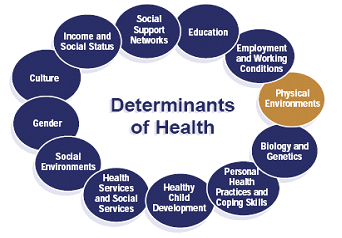 What is population health? Apparently it depends on who you ask. If you ask those with a financial stake in the current health care delivery system, population health means improving the health of patients who currently use (i.e., pay for) the system. You get a different answer if you ask those involved in public health, community development, or social services. They believe “population” should include everyone in the entire geographic community, whether or not those individuals are able to use or benefit from health care services. They also believe “health” should include quality of life and economic well-being – measures that prevent disease in the first place – and not just conditions addressed by the medical model of disease. Read more
Healthy lifestyles: Social class. A precarious optimism
 Looking back, it’s now obvious that the Lalonde report did initiate a change in our fundamental understanding of the determinants of health – an understanding that is now beginning to flourish. By stressing the influence of non-medical factors on population health, the report made it possible for governments, academics, and foundations to endorse practices outside conventional medical care. Medical practitioners are equally aware that health care by itself cannot secure a population’s health. Following the Lalonde report, politicians, health merchants, and mass media moguls seized on the idea of healthy lifestyles. They tried to convince us that personal responsibility was the primary determinant of health. In the end, however, I am cautiously optimistic that it is not their voices that will prevail. Read more
Healthy lifestyles: The unfortunate consequences
 Collectively, increased health consciousness was followed by increased health care costs. The promotion of healthy lifestyles was not the only reason health consciousness increased in the late 20th century. And there were, of course, many other forces at work that increased the costs of health care. But it seems fair to say that the new perspective on health ended up providing opportunities to expand the demand for more medical services. Any hope that individual responsibility for healthy lifestyles would reduce costs – still touted today by some politicians and health care economists — turned out to be a mirage. Read more
Healthy lifestyles: The antecedents
 In the 1970s, public health policies began to promote the idea that individuals are responsible for their health and therefore have an obligation to adopt healthy lifestyles. Over the ensuing decades, health became an especially popular topic for media coverage as well as a lucrative market for vendors of health-related products and services. What followed was a substantial increase in health consciousness and greater anxiety about all things that concern the body. Do healthy lifestyles produce better health? That they should may seem like common sense, which is one reason it’s been so easy to promote the idea. The question is difficult to answer with absolute certainty, however. Read more
A more equitable future? US reveals its true intentions
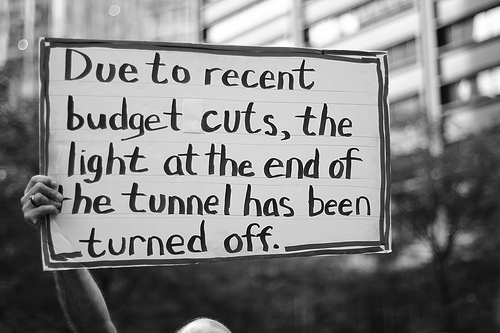 Why is it so hard to convince policy makers worldwide to address the social determinants of health, including poverty, hunger, and income inequality? Judging by the excerpt below, we shouldn’t count on the US to champion this cause any time soon. It’s from a document called “The Future We Want,” issued by the Rio+20 conference last June. The US requested changes to the document, indicated in bold (additions) and strike-outs (deletions). Read more
Profit-driven medicine: Satisfying patients at the expense of their health
Patient Satisfaction & Patient-Centered Care: Necessary but Not Equal bit.ly/MN7Yan JAMA Highly satisfied patients had worse outcomes
— Jan Henderson (@HealthCulture) July 26, 2012
Corporate medicine may achieve its goal creating greater customer retention, loyalty, and repeat business. Patients are not well-served, however, when the commercialized, privatized business model is applied to health care. The result is superficially satisfied patients who make greater use of the health care system at the expense of their own health. Read more
On healthism, the social determinants of health, conformity, & embracing the abnormal: (4) The abnormal part
 I was initially attracted to the subject of healthism because I felt I’d been a victim of health messaging. But I was also attracted by a sense that something deeper was going on. I now see that the taken-for-granted – the questions that don’t get asked in media coverage of health issues or in the policy positions of governments — unites my blogging topics. In whose interest is neoliberalism? Medicalization? Conformity? Non-holistic medicine? The commercialization of health? Healthism? More often than not the answer is that it’s not in my interest. Nor is it in the interests of the society I want to live in. And that makes these topics personally meaningful to me. Read more
On healthism, the social determinants of health, conformity, & embracing the abnormal: (3) Connections
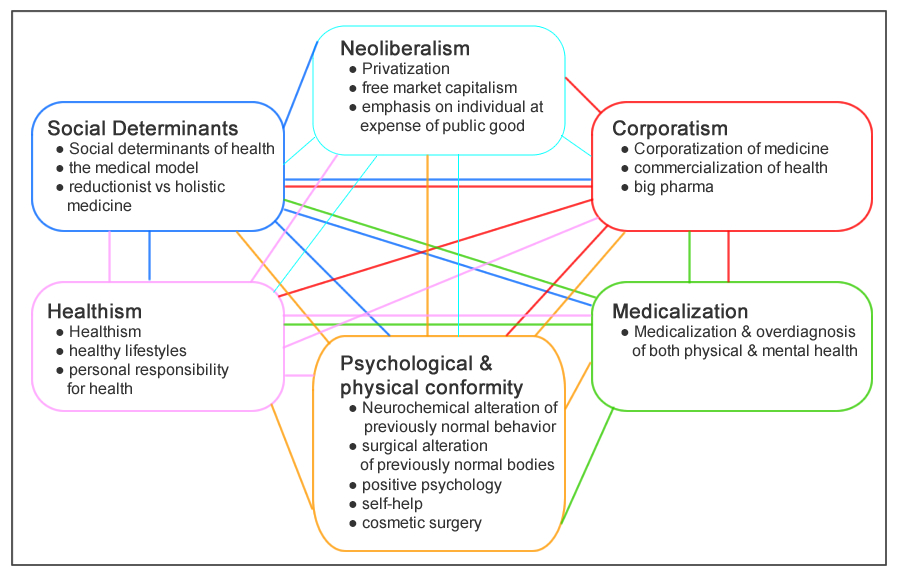 ~ Conformity and corporatism: Surgically altering one’s appearance (e.g., designer feet) presumably increases one’s chance of success in a society that commodifies bodies (i.e., in a society where salary, career advancement, social status and marriage prospects are influenced by appearance). Altering one’s personality with psychopharmaceuticals allows one to project the qualities necessary for success in a highly competitive society. Read more
On healthism, the social determinants of health, conformity, & embracing the abnormal: (2) Economics & the socio-political
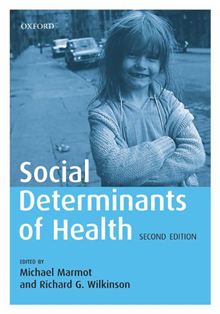
Social determinants of health (often abbreviated SDOH) refers to unequally distributed social and economic conditions that correlate with unequal and inequitable distributions of health and disease. Presumably there is a causal relationship between the two, not merely a correlation. Definitively identifying the causal mechanisms, however, is difficult. A great many things influence our health, including things we’re not even aware of yet, and it’s difficult to isolate and scientifically study the ones we can identify. Read more
On healthism, the social determinants of health, conformity, & embracing the abnormal: (1) Bodies, minds & medicine
It’s always hard to be sure about these things, but I think the reason I decided to take a ‘sabbatical’ from blogging last July was that I was interested in too many seemingly unrelated topics. Writing about all of them left me feeling like I never got to the ‘meat’ of any one of them. And I couldn’t convince myself to focus on just one or two things, since that would mean abandoning the others, which I was unwilling to do. Read more
Guest post: The unemployed as the waste products of the success factory
 Since the beginning of the industrial era, the unemployed have functioned as the reserve army of labor. They survived with the hope that someday they would surely be recalled from unemployment into active service. Today, however, the destination of those who become unemployed is the landfill of poverty and the psychological trash heap. As Danièle Linhart points out, “these men and women not only lose their jobs, their projects, their dreams and the assurance of a life under their control: they are also deprived of their dignity as workers, their self-esteem, their sense of purpose and their place in society.” Read more
SCOTUS, the Affordable Care Act, and an ugly American tradition
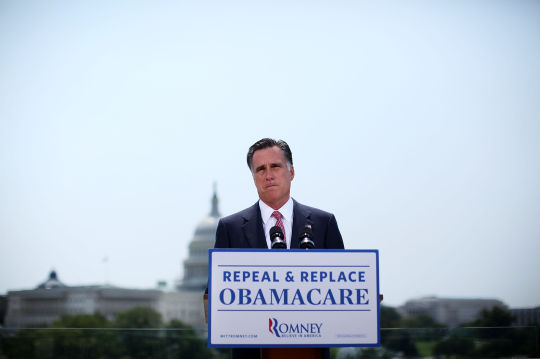 There are reasons, then, why health care might not become a campaign issue for this particular Republican presidential nominee. And if it does not, I wonder if those in favor of universal health care realize how easily we could lose this historic achievement. Read more
What is healthism? (part two)
 Our financially and professionally entrenched system of medical care has a vested interest in maintaining an understanding of health that preserves the status quo. Part of the power of our biomedical culture is that its contingency – the very real possibility that it could be different — is ordinarily invisible to us. What would it take to imagine a widely shared understanding of health that called for dramatic changes not only in how our health care needs are met, but in the conditions under which we live our lives? This is the question that I hope an examination of healthism will provoke. Read more
What is healthism? (part one)
 Throughout history there’s been an understandable desire to find connections between our behavior and our health. Human beings have practiced health regimens involving diet, exercise and hygiene since antiquity. When medicine was based on the humoral theory of disease, for example, individuals were advised to purge the body in the spring and, in the summer, avoid foods or activities that caused heat. Bathing in ice water was recommended in the 19th century. Mark Twain quoted the advice: “the only way to keep your health is to eat what you don’t want, drink what you don’t like, and do what you’d druther not.” Read more
Guest post: Is the prevalence of depression related to the modern empowerment of the individual?
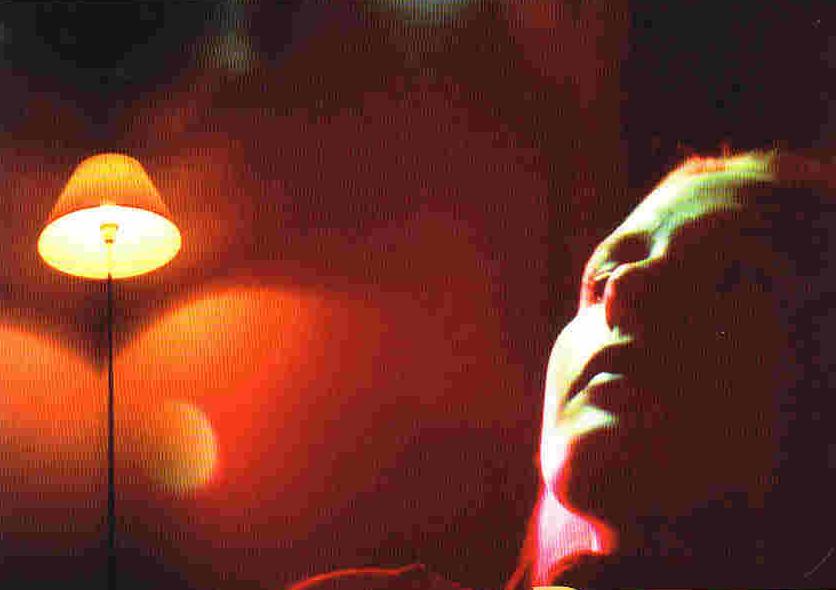 When a medical clinician examines a patient, she first determines the presenting symptoms, considers which bodily functions might account for those symptoms, arrives at a diagnosis, and provides the most appropriate treatment. But what if the presenting symptom is depression? As Alain Ehrenberg points out, “depression, like any mental illness, is not a disease that can be assigned to a part of the body.” In fact, as Ehrenberg goes on to say: “when psychiatry can discover the cause of a mental illness, as happened with epilepsy, it is no longer a mental illness.” Such has been the dilemma of the history of psychiatry. Read more
Why medicine is not a science and health care is not health
 My real objection to medicine as a science is that by focusing on what can readily be quantified, it ignores what cannot, such as the social determinants of health and disease. Medicine’s desire for the respectability that comes with being a science gets in the way of determining what could actually make us healthier. Read more
Recommended (online) reading
 I’m still on “sabbatical.” Mostly reading. Thinking about what I most want to write about. I know what my interests are — the problem is, I have too many. Meanwhile, here are some blogs I enjoy reading. Read more
When the poor were contagious
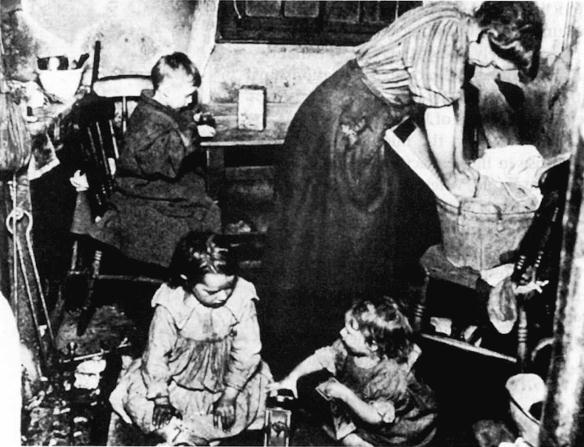 Will the London riots raise questions about a world that doesn’t care about the socially disadvantaged? Questions, yes. But will that be enough to bring about a change in attitudes and policies? Probably not. Unfortunately, the situation will need to get much worse. Even when that happens, current financial interests are likely to prevail. A discouraging prospect, yes, but a struggle worth waging. Read more
On sabbatical
 I’m taking a break from frequent blogging – want to take time to read, do some research, reflect, and think about what I most want to write about next. At the moment, my inclination is to write about the history of medicine, starting with the Enlightenment and the transformation of medicine into a science in the 19th century. I want to think about what light that sheds on the 20th century. Read more
The Dreams of the Founders of Family Medicine
 While they were mindful of and grateful for the powerful advances in medicine, they believed that social and economic conditions which influenced the life of a person and a community had a greater impact on a person’s life and health than did the power and might of all of medicine.
They believed that medicine was a profession that involved more than a technical set of skills and a high income. They accepted the responsibility of caring for the whole person; mind, body and soul. Read more
Guest post: Guilt-edged
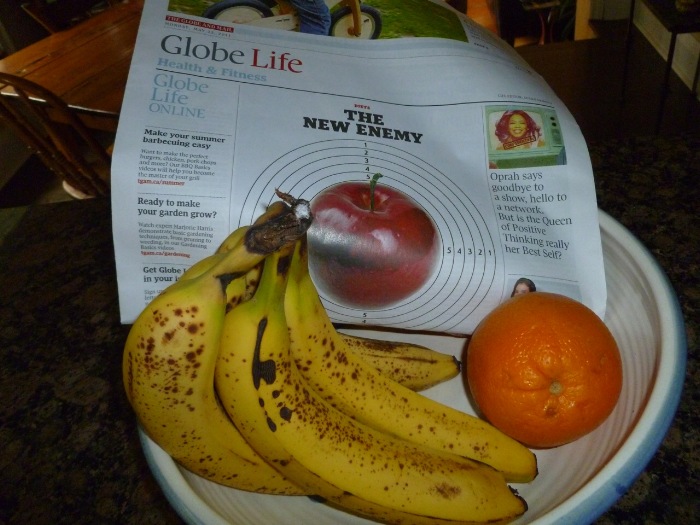 Now The Globe and Mail Life section reveals I could be guilty of hastening my demise by eating fruit. See The New Enemy in today’s paper, which warns that bananas are the arch enemy of the serious dieter and “that the high fructose content makes grapes and cherries as unhealthy as a plate of cookies.” Or not. Depending on which ‘experts’ you believe. Read more