
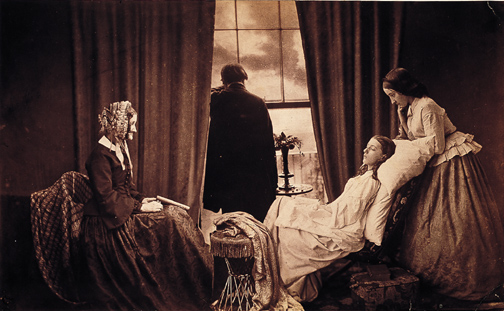
 Here’s an excerpt from the third and last part of the interview with me by Dr. Lisa Marcucci at Inside Surgery. The question asked for a little known fact from the history of medicine.
Easing the pain of death was a common medical practice in the 19th century. The doctor’s black bag contained laudanum as early as the 1600s. The 19th century added morphine (1806), codeine (1836), and aspirin (1892), along with the anesthetics chloroform and ether. At a time when physicians had very little to offer patients by way of cures – other than the ineffective “heroic” measures of bloodletting and purges — it was palliative care that made physicians welcome at the deathbed.
In those days, easing pain at the time of death was not called palliative care, but euthanasia. The term referred to the outward death of the body, in contrast to the death of the spirit. Euthanasia literally means a good death.
In 1870 a school teacher named Samuel Williams published an essay that used the term euthanasia to mean something else: mercy killing. The essay generated considerable interest and discussion. To make a long story short, the original meaning of the term euthanasia was completely lost.
